
Jane Frances
19 November 2019

Jane Frances
Jane Frances is a psychotherapist and was for many years Schools Specialist and Policy Advisor in Education at Changing Faces, UK. She is an expert in the psychology of visible difference.
She tells us of how findings from psychological research can help parents and teachers of children with Neurofibromatosis to better support them.
“I have worked with a lot of children with many conditions including NF, and I’ve found that the responses by other people to visible difference is pretty standard across conditions. The advice I give is based on research. ‘Common sense’, however well-intentioned, can lead to counterproductive interventions.
For example, if a child is staring at a child with a visible difference, the ‘natural’ reaction of the teacher is to say, ‘you mustn’t stare’. The result is that children learn to turn away, and the child with the difference feels even more isolated.
A better response is for the teacher to tell the staring child, ‘if you find yourself staring, smile and say ‘Hello, my name is Jane. What’s your name?’’
It is even more important that parents or the teacher coach the child who has NF to handle other children’s curiosity. The best strategy is for the child with NF to have something to say, like: ‘Don’t mind my lumps and bumps. I’ve got NF. Have you got something interesting about you?’ It is always good to round off with a question and engage – curiosity is the beginning of a relationship.
If the child is shy and nervous, the teacher might need to say, ‘Oh you’ve noticed Timothy’s unusual face. Well that’s the way Timothy’s face is, and did you know Timothy has a pet cat?’
We know from countless studies that it is harder for a child who looks unusual to make and keep friends. This is caused not by an aversion to the unusual face, but by an aversion to the stigma. The key, therefore, is to reduce or eliminate the stigma. The conversational strategies above will help. A curious stare is a door to a conversation and possible relationship.
Teachers’ expectations are also key: they need to hold in their heart really positive hopes for this child’s future. Many studies confirm the ‘Pygmalion Effect’: that lower expectations lead to lower results. Teachers aren’t doing children a favour by going easy on them. The child needs tough, high expectations.
These are just a few tips. You can get more information and resources for tackling issues of face equality and the impact of appearance at changingfaces.org.uk.”
– Jane Frances"The best strategy is for the child with NF to have something to say, like: ‘Don’t mind my lumps and bumps. I’ve got NF. Have you got something interesting about you? "
Filter News
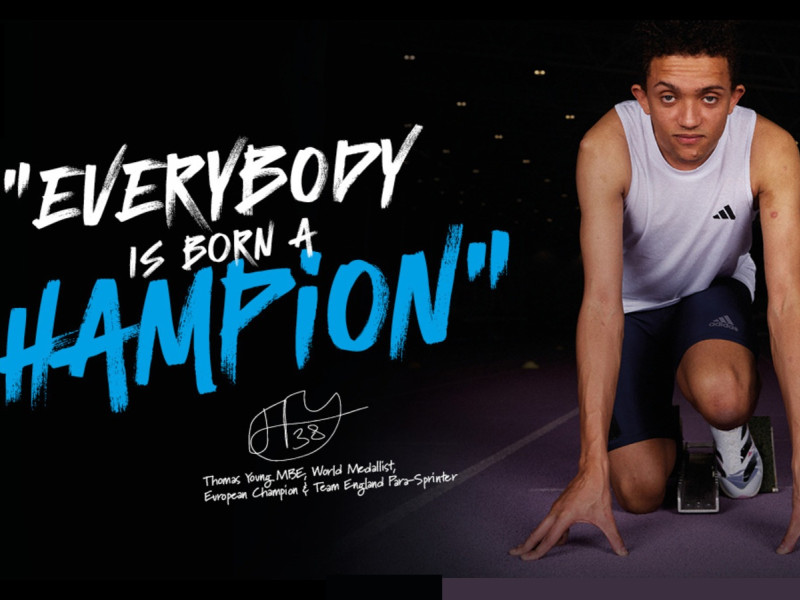
Glasgow 2026 Everybody is born a Champion
This campaign features GB Para-Sprinter Thomas Young MBE, NTUK Patron, competing in the 2026 Commonwealth Games in Glasgow
Read More
Oliver’s Blog
Oliver Bromley shares some personal experiences of visible difference, and how education and kindness can reduce stigma.
Read More
Talking with Thomas Young
Meet our Patron Thomas Young MBE and watch his video series introduction to the world of para-sport
Read More
Worshipful Company of Horners and Wingwalk fundraiser
NTUK was chosen as the Worshipful Company of Horners' Charity of the Year, and their Deputy Master is doing a wing walk.
Read More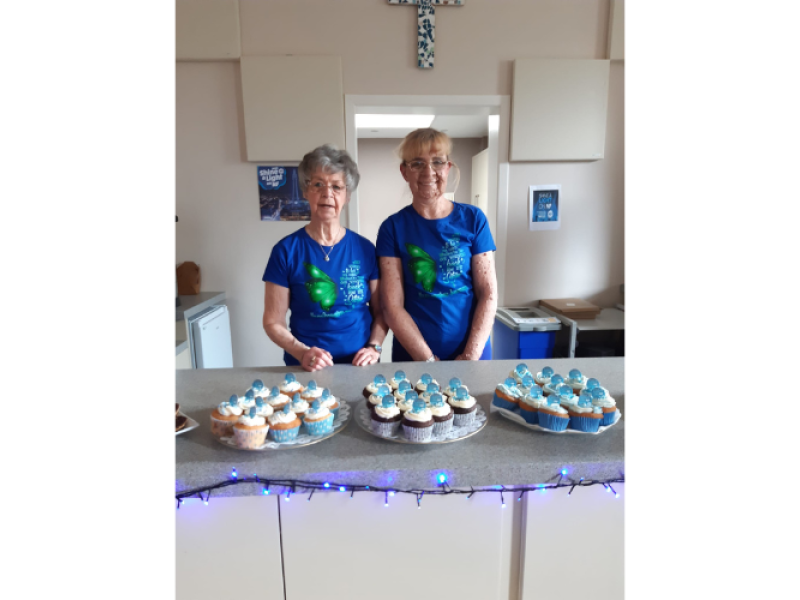
Laura’s fundraising for Shine A Light 2026
Laura and her mum fundraised for World NF Day on Sunday 17 May.
Read More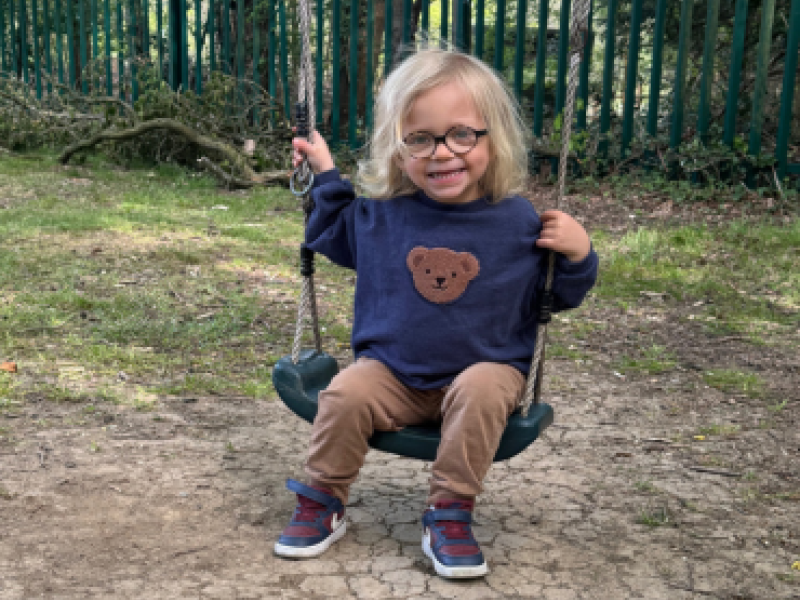
Ralph’s NF1 Story
Three year old Ralph has NF1 and has been undergoing treatment to preserve his eyesight, read his story.
Read More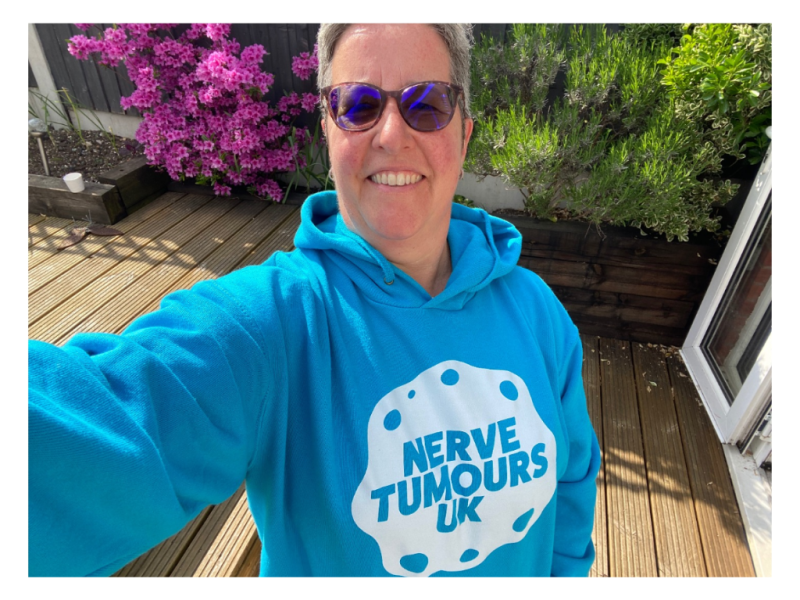
Mel’s Swimming Challenge
Specialist NF Nurse/ Advisor Mel Murrell is going to great lengths with her swimming challenge!
Read More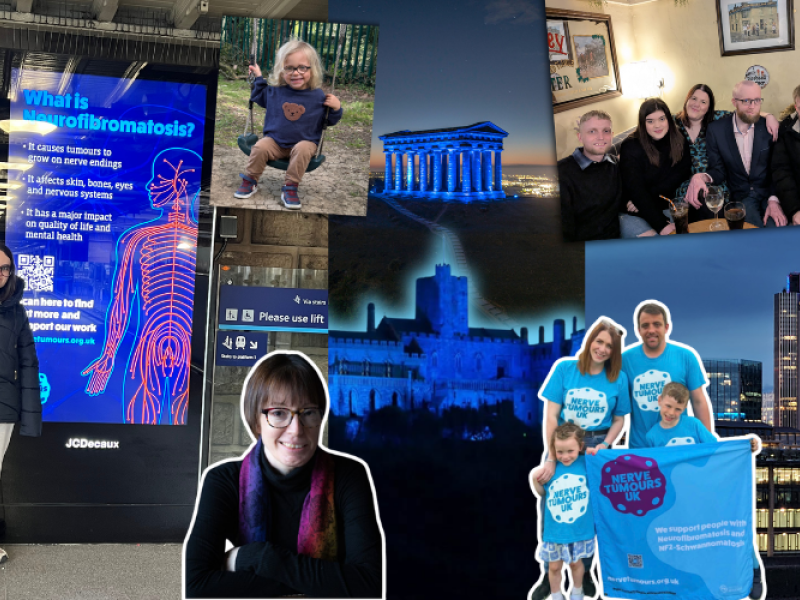
Reflecting on World NF Awareness Month 2026
Looking back on World NF Awareness Month 2026.
Read More
Nerve Tumours UK Virtual Coffee Mornings
Chat and connect in our Virtual Coffee Mornings. NF2 Coffee Morning on 1st July 2026
Read More