Visible Difference Equality Law Research: summary of findings
07 November 2019
Visible Difference Equality Law Research: summary of findings
Below are the results of the study carried out by Hannah Saunders Durham CELLS (Centre for Ethics and Law in the Life Sciences) a study that we previously shared with our community in 2018.
The research aimed to explore experiences relating to visible difference equality and the law. Seventeen interviews with volunteer participants were included within the project analysis, and five key themes were identified:

Theme 1: Me and visible difference – a complex equation of how I feel
Almost everyone expressed feelings of low confidence and / or self-consciousness related to visible difference at different times of their life. But there are various factors which some people believed impacted on the way they felt - such as fluctuations in the severity of their condition, self-acceptance, gender, age and level of job experience. There was not one unified picture of ‘what helps’ and ‘what hinders’. What the accounts did suggest, though, is that visible difference cannot be understood as an isolated, sole determinant of people’s experiences; the importance of other aspects of life - such as friends and family, pride in one’s job and in one’s own skills, or a role helping others – are also integral to the experiences recounted.
Theme 2: Me, you and visible difference – balancing coping and explaining against privacy
This theme relates to how people cope with having a visible difference in their daily lives. People talked about a variety of proactive and reactive coping strategies - such as explaining, hiding one’s difference or insecurity, and taking support from relevant charities and others in a similar position. Sometimes coping strategies seemed to focus more on self-protection - such as applying for manageable roles. While explaining is a common strategy, it wasn’t always simple; people often factor in various different things when deciding whether to 'explain' their condition to others. Some people seemed to feel a conflict between a desire to explain and a resentment about having to.
Theme 3: Me, visible difference and work – my health needs and my job in conflict
This theme relates to the tension between what people felt was good for their health, and what they felt was required for their jobs. People often felt conflicted between the two, or forced to prioritise one over the other.
Theme 4: Me, visible difference and society – feeling that I fall between the cracks
Many participants seemed to feel that their condition made them fall between the cracks. Legally, not everyone was aware of the law, and people often did not self-identify as disabled. This created a dilemma for many people on whether to disclose a condition during recruitment. Some wanted employers to have a more flexible approach to health, rather than a tick box 'disabled or not' approach which exacerbates this dilemma.
In health terms, the feeling of falling between the cracks related to both a lack of understanding about some conditions and, for some, a need to battle for treatment because their condition is seen as 'cosmetic' or given low priority for care.
Socially, many people had, at some stage in their lives, felt that visible difference prevented them from fitting in; some felt overlooked, harassed or targeted in the workplace. A feeling of their condition being misunderstood or underestimated by colleagues was also commonly cited. However, there were also very many positive stories of inclusion at work; people with good friends and supportive colleagues, many of whom enjoy their job.
Theme 5: Me, visible difference and rights – moral duties to be wary of
In generic terms, rights were seen almost as a moral duty: something that should be enforced if needed, to stand up for myself or to prevent the same thing from happening to others. However, people were wary about the reality of enforcing rights - both in terms of challenging discrimination, or having reasonable adjustments made (if appropriate). There was also a strong sense in some interviews that rights are only positive if handled in a certain way - there is the potential for them to become 'wrongs' if dealt with inappropriately by others.
What happens now with the research?
The interviews are part of a wider research project and provide an important contribution to evaluating whether the law is working properly. The research suggests that there may be some problems with the way the law works, and that some legal changes would be beneficial, including amended definitions, and increased guidance. The researcher hopes that these findings will open a debate about these important issues.
Filter News
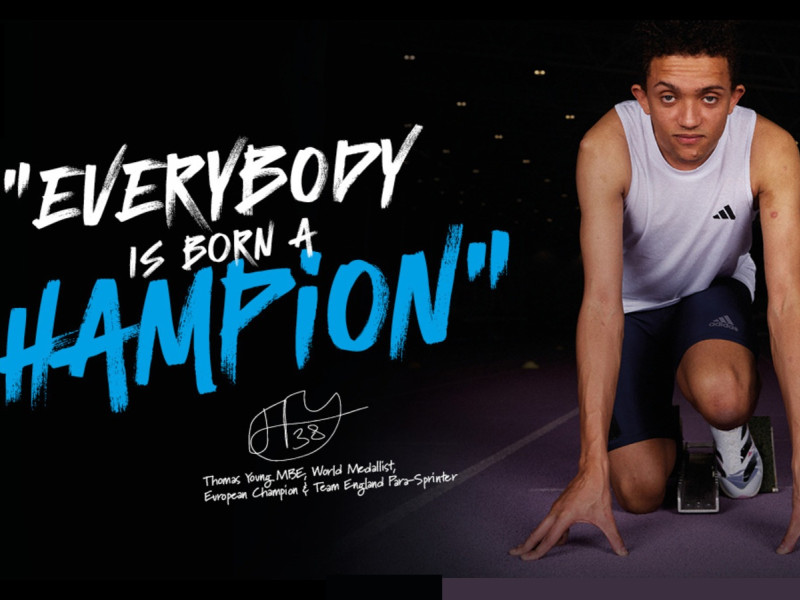
Glasgow 2026 Everybody is born a Champion
This campaign features GB Para-Sprinter Thomas Young MBE, NTUK Patron, competing in the 2026 Commonwealth Games in Glasgow
Read More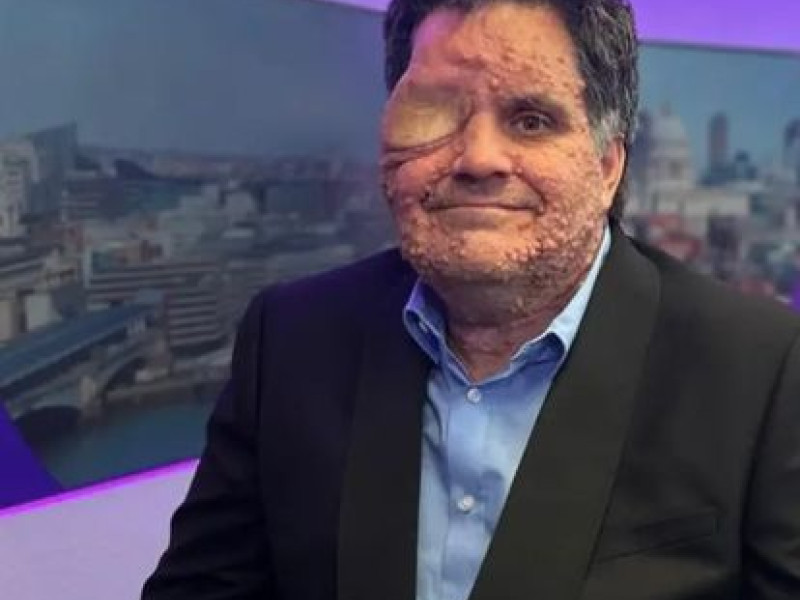
Oliver’s Blog
Oliver Bromley shares some personal experiences of visible difference, and how education and kindness can reduce stigma.
Read More
Talking with Thomas Young
Meet our Patron Thomas Young MBE and watch his video series introduction to the world of para-sport
Read More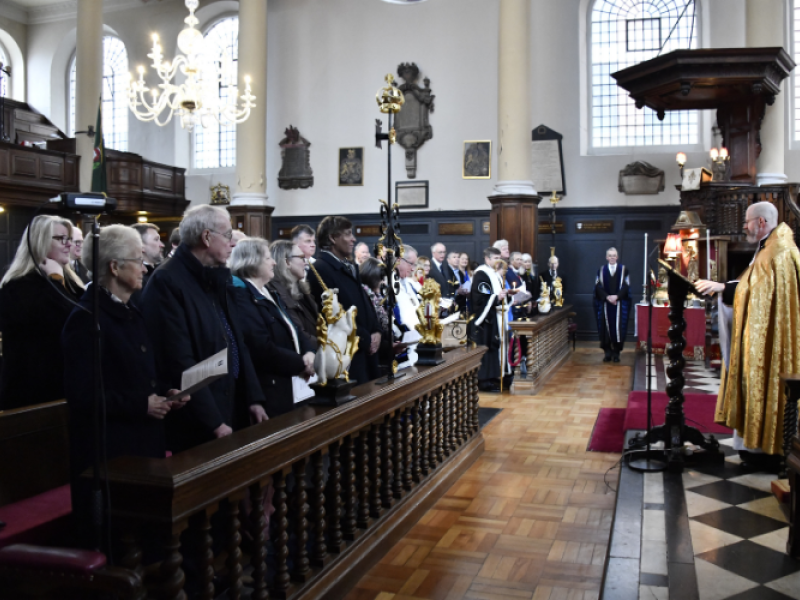
Worshipful Company of Horners and Wingwalk fundraiser
NTUK was chosen as the Worshipful Company of Horners' Charity of the Year, and their Deputy Master is doing a wing walk.
Read More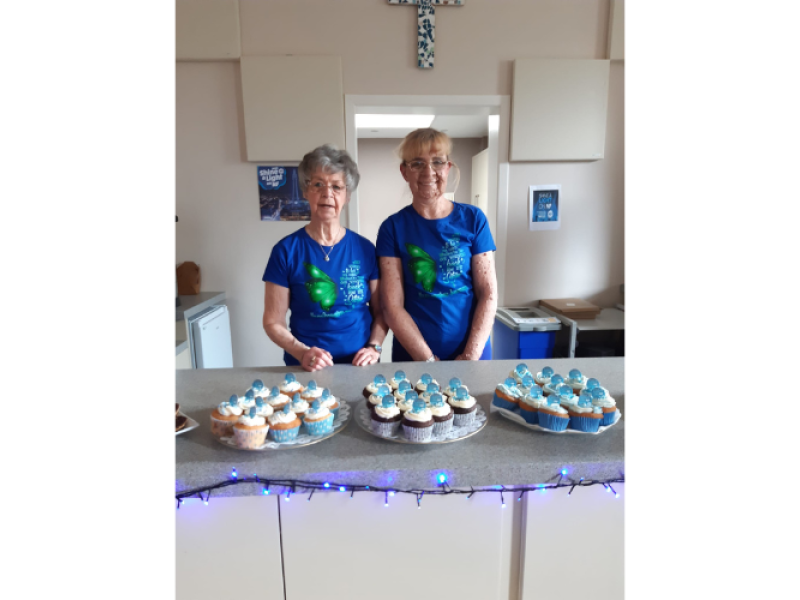
Laura’s fundraising for Shine A Light 2026
Laura and her mum fundraised for World NF Day on Sunday 17 May.
Read More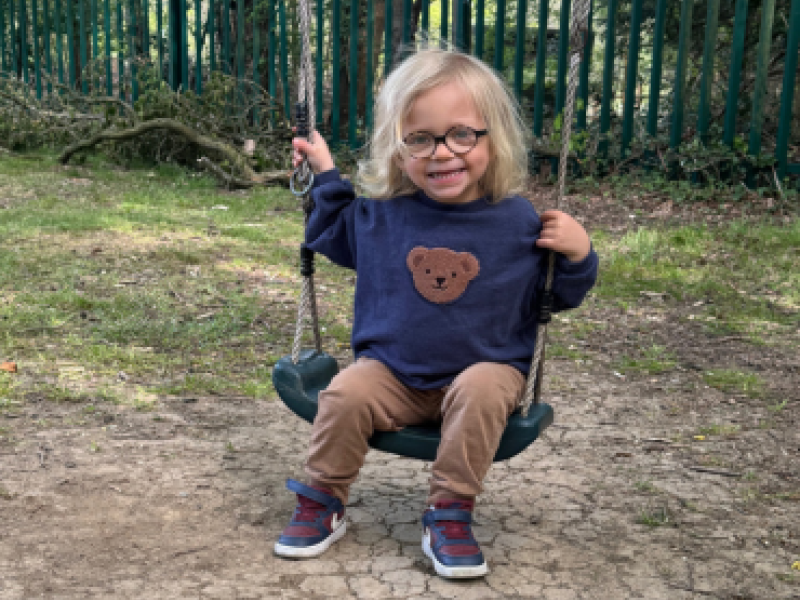
Ralph’s NF1 Story
Three year old Ralph has NF1 and has been undergoing treatment to preserve his eyesight, read his story.
Read More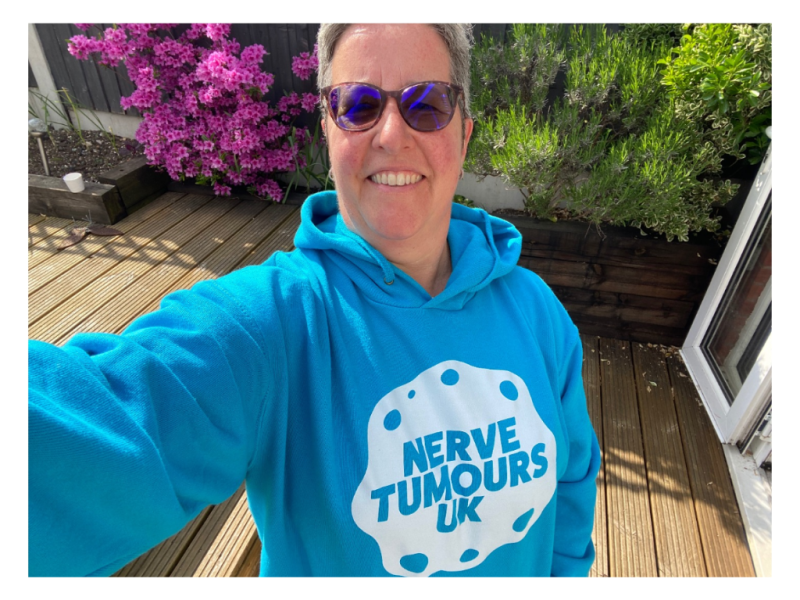
Mel’s Swimming Challenge
Specialist NF Nurse/ Advisor Mel Murrell is going to great lengths with her swimming challenge!
Read More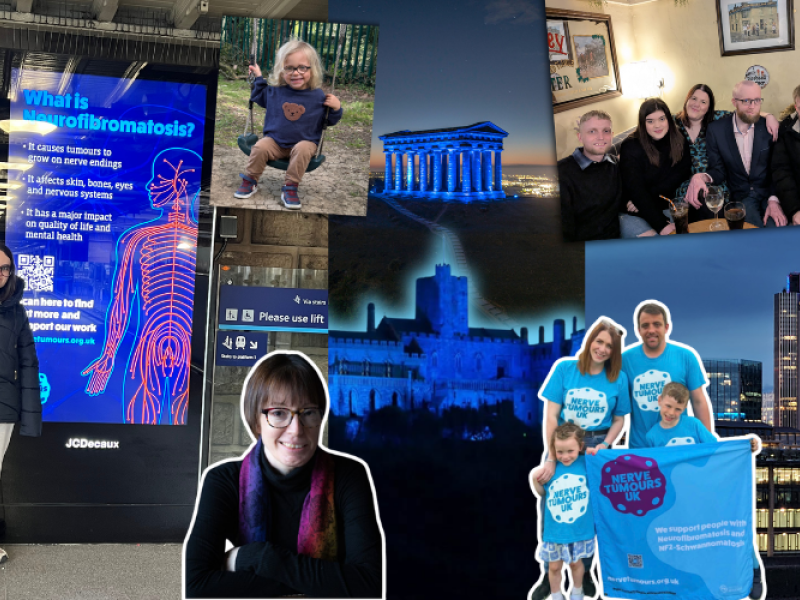
Reflecting on World NF Awareness Month 2026
Looking back on World NF Awareness Month 2026.
Read More
Nerve Tumours UK Virtual Coffee Mornings
Chat and connect in our Virtual Coffee Mornings. NF2 Coffee Morning on 1st July 2026
Read More