
Looks and Life: A summary of the study
23 August 2019
Looks and Life: A summary of the study
What we wanted to learn
We were interested in how people with a health condition that affects their appearance deal with difficult thoughts and feelings about their appearance. We know from previous research that some people avoid activities that they expect will bring up difficult thoughts and feelings, and some spend a lot of time and energy covering, concealing and focusing on their appearance. We wanted to learn more about two mental tendencies: (1) a desire to get rid of or avoid difficult thoughts and feelings (called ‘experiential avoidance), and (2) getting caught up with difficult thoughts (called ‘cognitive fusion’). Specifically, we wanted to know whether these two tendencies might explain why people with conditions that affect their appearance are more or less likely to (a) avoid stressful appearance-related activities, and (b) to cover, conceal and focus on their appearance.
What we did
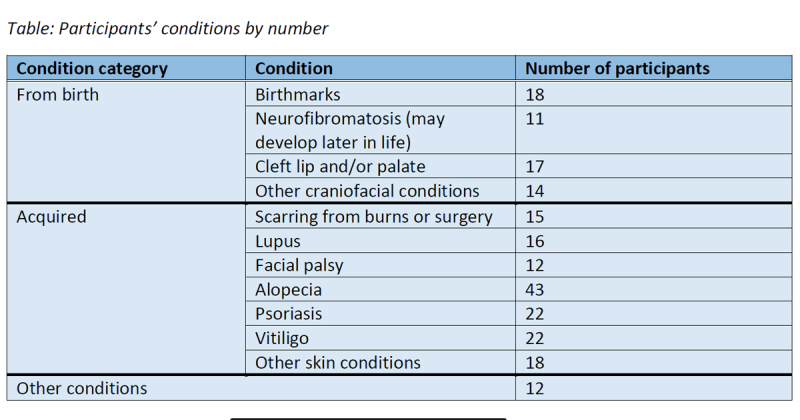
To do this, we asked charities and organisations from the Appearance Collective to help us recruit participants across a wide range of appearance-affecting conditions (a breakdown by condition type is given below). Thanks to these organisations, we surveyed 220 adults, aged 18-75, just under 80% of whom were female. Participants completed demographic questions, a series of validated psychological questionnaires, and gave details about how their condition affects their appearance. We ran statistical analyses called Mediation analyses, to find out how well (1) experiential avoidance and (2) cognitive fusion statistically explained participants’ tendency to (a) avoid stressful appearance-related situations and (b) cover, conceal and focus on their appearance. In the analyses, we took account of participants’ age, gender, how visible they perceived their different appearance to be to others, and whether their condition was acquired or from birth.
What we found
We found that participants’ level of (1) experiential avoidance (a tendency to try and get rid of or avoid difficult thoughts and feelings) did partly explain their tendency to (a) avoid stressful appearance-related situations. The more experientially avoidant they were, the more likely they were to avoid stressful situations. Experiential avoidance didn’t, though, explain participants’ tendency to (b) cover, conceal and focus on appearance. On the other hand, participants’ level of (2) cognitive fusion (getting caught up in thoughts) explained both (a) avoiding stressful situations and (b) cover, concealing and focusing on appearance. The more participants were caught up in thoughts, the more they’d avoid stressful situations, and the more they’d cover, conceal and focus on their appearance.
What this means
We now know that these two mental tendencies are likely to play a role in how people cope with difficult thoughts and feelings about their appearance. Many types of psychological therapy (like traditional cognitive behavioural therapy) try to help people manage distress by teaching them to change their thinking patterns from less rational to more rational. What the findings of the study suggest is that they may be another way: Learning to just observe thoughts as thoughts rather than facts (‘cognitive defusion’) and learning to open up to and tolerate difficult thoughts and feelings (‘experiential acceptance’), without trying to change those internal experiences, may help people with appearance-affecting conditions engage more in meaningful activities that they may otherwise avoid. An approach called Acceptance and Commitment Therapy (or ‘ACT’) focuses on developing cognitive defusion and experiential acceptance, and we at CAR are currently developing a self-help programme based on ACT that we would like to test in the near future.
Filter News
Manchester University NF1 MEK Inhibitors Research
Research: NF1 MEK Inhibitors and Learning
Read More
Toad Hall Nursery Fundraising Day
Toad Hall Nursery's annual fundraising day supported Nerve Tumours UK as 3 year old Lily has NF1.
Read More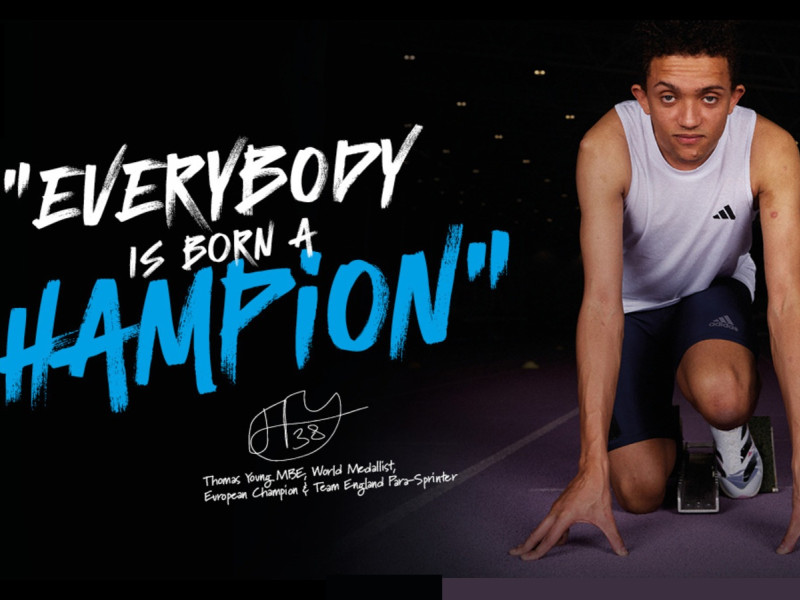
Glasgow 2026 Everybody is born a Champion
This campaign features GB Para-Sprinter Thomas Young MBE, NTUK Patron, competing in the 2026 Commonwealth Games in Glasgow
Read More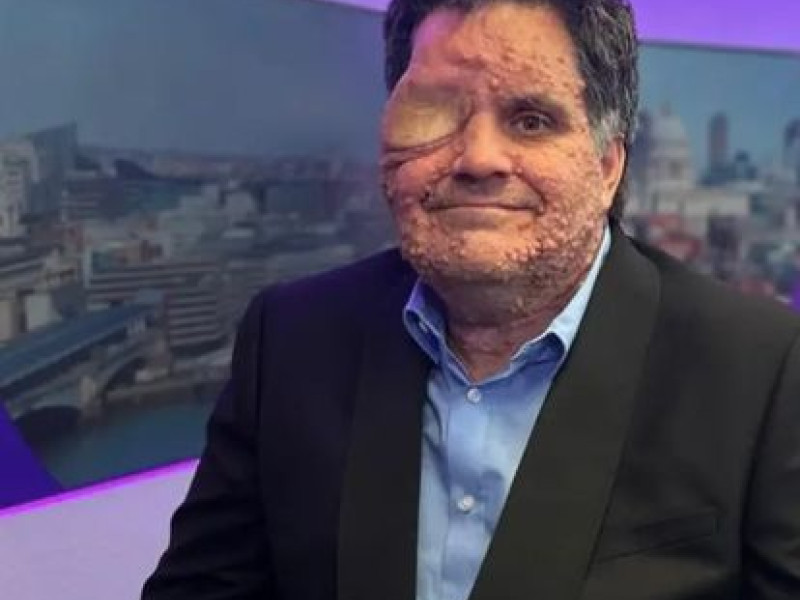
Oliver’s Blog
Oliver Bromley shares some personal experiences of visible difference, and how education and kindness can reduce stigma.
Read More
Talking with Thomas Young
Meet our Patron Thomas Young MBE and watch his video series introduction to the world of para-sport
Read More
Worshipful Company of Horners and Wingwalk fundraiser
NTUK was chosen as the Worshipful Company of Horners' Charity of the Year, and their Deputy Master is doing a wing walk.
Read More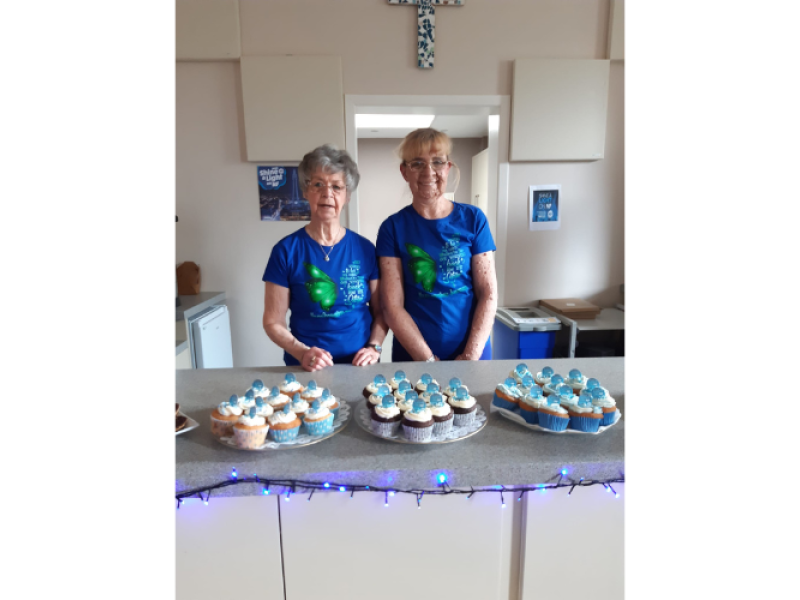
Laura’s fundraising for Shine A Light 2026
Laura and her mum fundraised for World NF Day on Sunday 17 May.
Read More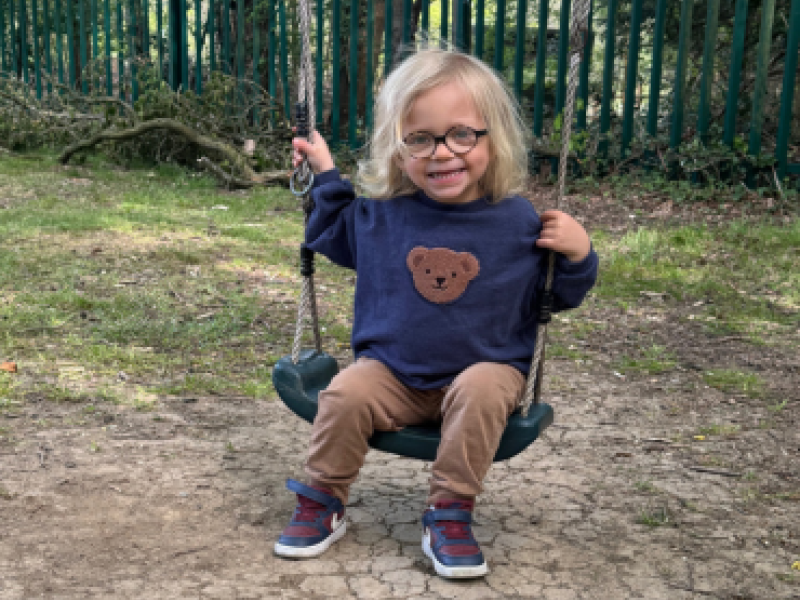
Ralph’s NF1 Story
Three year old Ralph has NF1 and has been undergoing treatment to preserve his eyesight, read his story.
Read More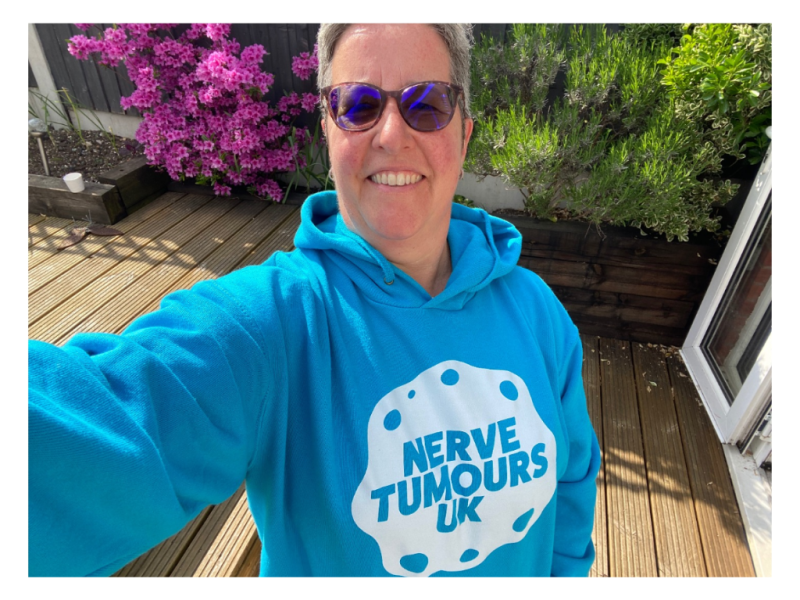
Mel’s Swimming Challenge
Specialist NF Nurse/ Advisor Mel Murrell is going to great lengths with her swimming challenge!
Read More