Naomi’s Research: An Anthropological Study of NF1
01 August 2025

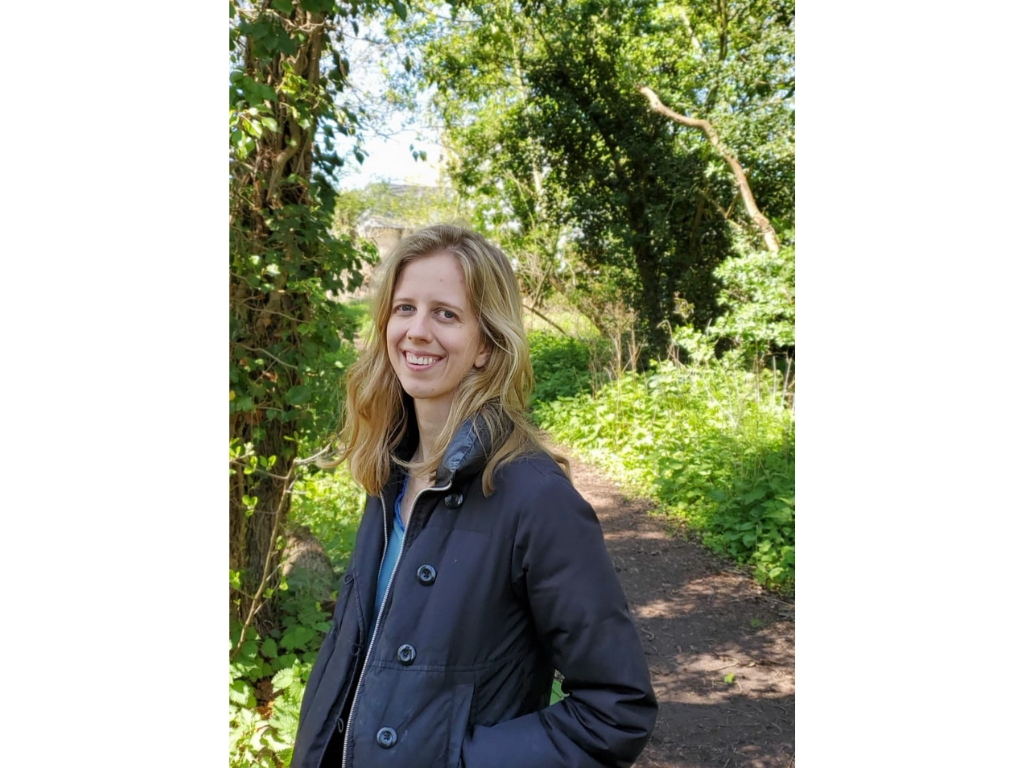
Naomi is an anthropologist with an interest in science, medicine, and bioethics. She grew up between England and America before moving to Scotland for her undergraduate studies. After a stint working as a bookseller, she obtained an MA from Emory University and a DPhil (PhD) from the University of Oxford. In her spare time, she enjoys painting, watching sci-fi shows, and playing frisbee (badly).
I recently finished my doctoral research with the help of NTUK. In my research project, I looked at people’s everyday experiences with NF1. I’m an anthropologist, which means I’m interested in how people’s experiences vary from culture to culture. In medical anthropology, which is my focus, we look at how social pressures (such as stigma) and healthcare practices (such as the availability of doctor’s appointments) affect people’s wellbeing.

Between 2020 and 2022, I conducted 96 interviews with 53 participants. Most of my participants had NF1 – or had a family member with NF1 – and took part in my research because they saw it advertised by NTUK. I also spoke with several other people for context. This second group of participants included NF1-specialist doctors and people with NF2.
In my research interviews, I noticed patterns. For instance, if someone’s parent explained NF1 to them when they were very young - and their parent explained NF1 as something neutral rather than something scary - then this person was more likely to have a positive self-image as an adult. However, anthropologists are not just interested in correlations. We also explore how people think about their health conditions. We pay attention to how people talk about their bodies, their experiences of discrimination, and what they identify as their biggest hardships and triumphs. In a way, anthropologists are more like investigative journalists than psychologists. We are looking at people’s stories, and how these stories reflect something specific about the culture they are from.
All in all, the purpose of my research was to consider how someone’s experience of NF1 in Britain might be different to someone’s experience of NF1 elsewhere. Differences can be caused by how countries run their national healthcare services (or lack thereof). That being said, differences can also be explained by specific cultural attitudes towards health.
"I was inspired by how many of my participants were keen to help others with NF1."
My research findings covered many different aspects of life with NF1. Here are a few examples:
- I noticed that my participants with NF1 were very knowledgeable about their condition, and that this made for interesting doctor’s appointments. My participants with NF1 often had to tell their own GPs about which referrals they needed. This dynamic goes against what people might expect from doctor-patient interactions.
- Many of my participants were excited to meet other people with NF1 even though they knew it was unlikely others would share their symptoms and experiences. In my thesis, I discussed this as an example of an “imagined community” – a term which was first used by the political scientist, Benedict Anderson.
- I noticed people would say things like, “I’m lucky, I could have it worse”. In my thesis, I argued that people do not necessarily believe in luck, but that such phrases are the polite thing to say – in other words, it’s cultural etiquette.
- A specific interest of mine is how people think about genes. In my project, I investigated whether my participants were keen to talk about NF1 as a genetic condition, or, whether the underlying genetic cause of NF1 was not seen to be that relevant to think about. I found that genes were sometimes relevant to discussion, and sometimes not.
I chose to look at the concept of community in my research for two reasons. First, the anthropologist Paul Rabinow referenced neurofibromatosis groups when he developed his concept, “biosociality”. This concept calls attention to how communities can be formed around both social and biological factors. My second reason (for exploring the idea of community) was that I was inspired by how many of my participants were keen to help others with NF1.

If you are interested in reading my full write-up (my thesis) it will be available online from this autumn onwards. Go to the University of Oxford research archive and search for my name and the thesis title, “(In)significant Genes: The Work of Genetic Knowledge in the Lives of People with NF1”. You’ll be able to access it for free. I’m also thinking of expanding my thesis into a book in a few years’ time – fingers crossed.
Thank you so much to everyone who took part in my research. I would not have been able to complete this project without the time and trust of my participants. Thank you also to Markus (Marketing & Operations Manager), Karen (Charity Director), and the whole NTUK team. You have been a huge help.

Specialist NF Nurses
Our Specialist NF Nurses are here for you! See if there is a Support Specialist in your area
Find out more
iNForm your University
iNForm your university - your guide to navigating university while living with NF
Find out more
Get Involved
We could not continue to provide the vital support and services for people living with NF without your help.
Find out more